
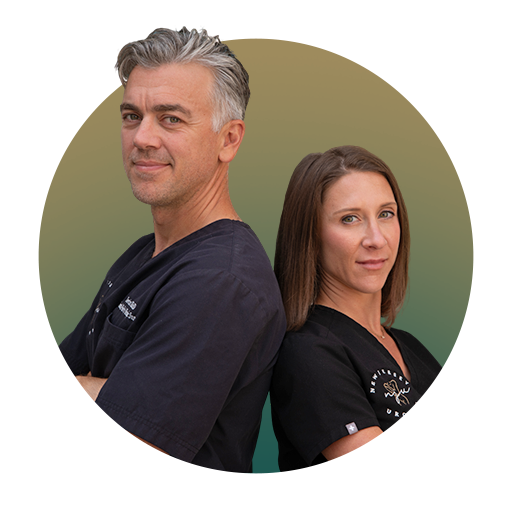
A urogynecologist is a specialist who focuses on the diagnosis and treatment of pelvic floor disorders in women, such as urinary incontinence and pelvic organ prolapse.
While most urogynecologists complete medical school followed by specialized training in obstetrics and gynecology, our doctors at NJ Urogyn pursued a distinct path. They completed extensive training as board certified urologists followed by a pelvic floor reconstructive surgery fellowship. This dual-expertise equips them with a comprehensive understanding of the urinary system and pelvic floor disorders, enabling them to provide exceptional care for these conditions.
Pelvic floor disorders are conditions that can cause physical discomfort and affect your quality of life, often interrupting everyday activities like work, exercise, travel, and intimate relations.
The most common conditions include urinary incontinence, pelvic organ prolapse, fecal incontinence, recurrent urinary tract infections and pelvic pain.
There are many things that can lead to a pelvic floor disorder. The most common factors include childbirth, family history, aging, smoking, obesity, repeated heavy lifting, previous surgeries, and straining for bowel movements.
The most common symptoms include involuntary leakage of urine or stool, a feeling of pressure, fullness, or pain in the pelvic area, and/or pain during sex. Some other signs include vaginal bulging, trouble urinating or emptying the bladder, frequent or urgent need to urinate, and/or frequent urinary tract infections.
While these symptoms can be embarrassing to talk about, they can lead to more serious health problems when left untreated. Don’t hesitate to call to discuss these or any other bothersome symptoms you may be experiencing.
During your first visit, our friendly and compassionate team will take the time to get to know you and understand your concerns. We will start with a detailed discussion of your medical history and symptoms, followed by a gentle physical examination. Our goal is to make you feel comfortable and supported throughout the process. We may also recommend additional tests to get a clearer picture of your condition. We’re here to listen, answer your questions, and work with you to develop a personalized treatment plan that meets your needs.
Treatments for pelvic floor conditions vary depending on the specific disorder but may include pelvic floor physical therapy, medications, behavioral therapies, minimally invasive procedures, or minimally invasive, same-day surgery, tailored to the individual’s needs and severity of symptoms.
In our practice, we use evidence-based approaches and advanced technology with the goal of achieving a repair that lasts for the long term, and most patients never require another procedure.
That said, no surgery can be guaranteed to last forever. Pelvic floor conditions are influenced by aging, tissue quality, genetics, and lifestyle factors. The likelihood of needing repeat surgery is low, but not zero.

My experience with Dr. Jacobson has been nothing short of amazing. She performed my bladder surgeries and truly changed my life for the better—I only wish I had found her sooner. Dr. Jacobson is compassionate, thorough, and incredibly skilled. Her nurse, Haley, was equally wonderful—kind, attentive, and always reassuring. The entire staff was friendly, professional, and made every visit a positive experience. I’m beyond grateful for their care and highly recommend Dr. Jacobson and her team to anyone seeking exceptional medical treatment.
-Leslie R

Excellent experience from office visits through surgery day at Riverview…and since. Office staff is very friendly, professional …. with a special shout out to Jackie/surgical coordinator who was so patient with all my questions. I highly recommend and respect Dr Tennyson! . Don’t even think twice about it. Make the appointment! Thank you so much, Dr. Tennyson!
-Gemma W

The staff are always professional and polite. However, Jackie, the surgical coordinator for Dr. Tennyson, has consistently gone above and beyond to assist me with my questions and forms. She is always pleasant and very informative. Her genuine kindness has made the surgical process a bit less stressful.
-Dawn M
Women in the state of NJ seek treatment for their bladder leakage. You’re not alone.
Trusted & Endorsed By
