

What is Urinary Incontinence?
Urinary incontinence, or bladder leakage, in women can be caused by a variety of factors, including weakened pelvic floor muscles after childbirth, aging or menopause. Hormonal changes, such as the decrease in estrogen during menopause, contribute to the weakening of the tissues that support the bladder. Other causes include urinary tract infections, certain medications, and chronic conditions like diabetes, obesity, and certain neurological disorders.
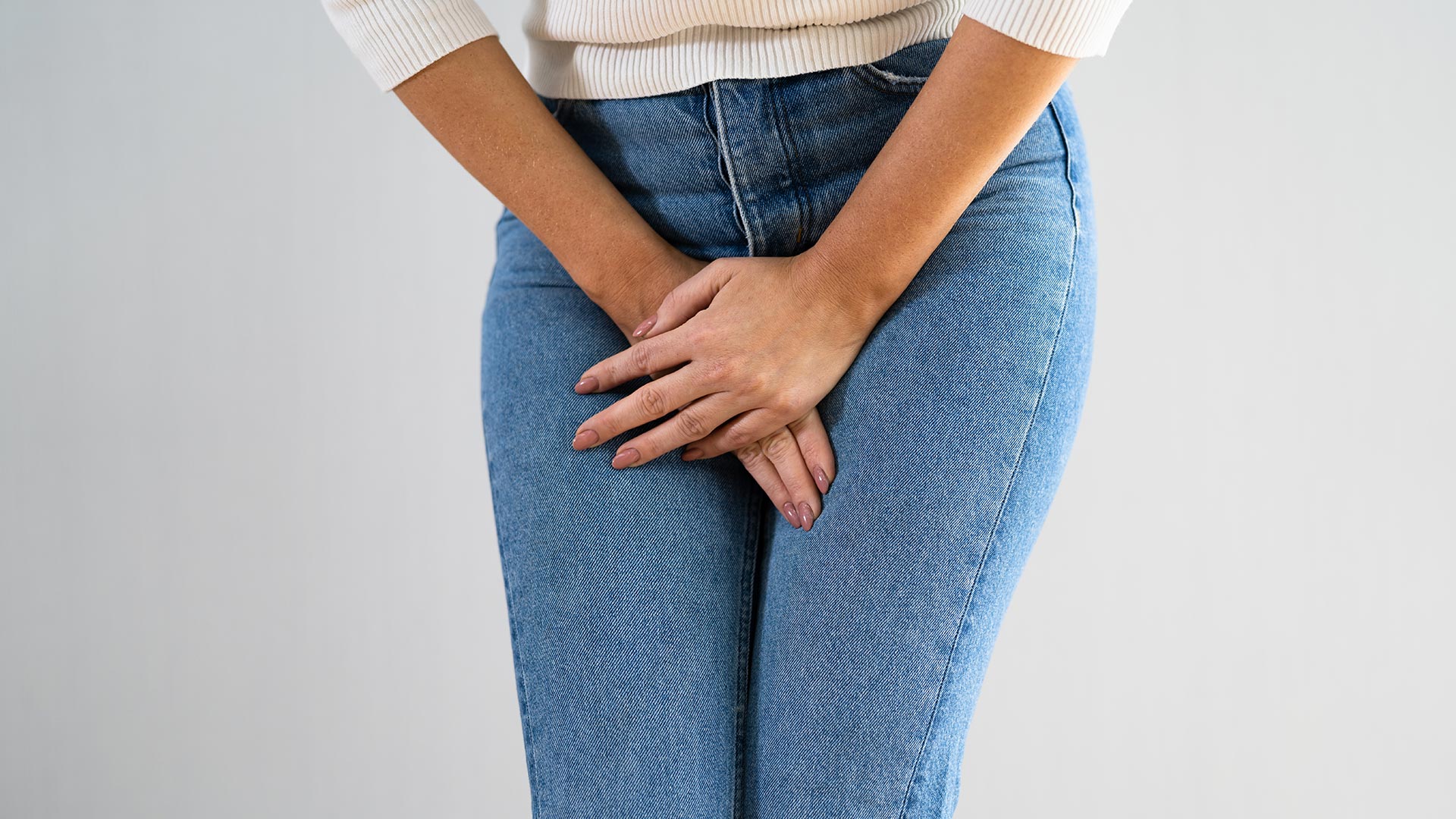
Urinary incontinence is the loss of bladder control, leading to the accidental leakage of urine. It is a common condition that can affect people of all ages, but it is more prevalent in women, especially as they age. Urinary incontinence can range from occasionally leaking urine when you cough or sneeze, to having an urge to urinate that’s so sudden and strong that you don’t get to the bathroom in time. This condition can be embarrassing and can interfere with daily activities, but it is treatable.
There are two main types of urinary incontinence:
- Stress Urinary Incontinence (SUI): This occurs when physical activities such as coughing, sneezing, or exercise put pressure on the bladder, leading to leakage. It is often related to weakened pelvic floor muscles or hypermobility of the pelvic floor.
- Urge Urinary Incontinence (UUI): Also known as overactive bladder (OAB), this occurs when the bladder muscle contracts involuntarily, causing a sudden, intense urge to urinate, even if the bladder is not full.
Available Treatment Options for Urinary Incontinence
At New Jersey Urogyn, we offer a range of personalized treatment options for urinary incontinence. The treatment approach differs depending on whether a patient has stress urinary incontinence (SUI) or urge urinary incontinence (UUI). Stress incontinence may be managed with pelvic floor exercises, lifestyle modifications, or low-risk procedures. Urge incontinence is typically treated with behavioral therapies, medications, or procedures aimed at reducing bladder spasms and increasing bladder volume. In some cases, women have mixed incontinence, a combination of both SUI and UUI, which requires a tailored approach to treatment.
- Lifestyle Changes and Pelvic Floor Exercises: In many cases, simple changes in daily habits can help manage urinary incontinence. This may include reducing intake of bladder irritants such as caffeine and alcohol, scheduling regular bathroom breaks, and practicing pelvic floor exercises to strengthen the muscles that control urination. Lifestyle changes and pelvic floor exercises can help improve both SUI and OAB or UUI.
- Medication: Medications may be prescribed to treat the underlying causes of OAB or urge incontinence. Medications are effective 50% of the time. Medications will not treat stress urinary incontinence.
- Bulkamid® Procedure: The Bulkamid® procedure is a minimally invasive treatment option for SUI. It involves injecting a soft hydrogel called Bulkamid into the urethral wall to help it close more effectively, reducing or preventing urine leakage. This procedure is typically quick, with minimal discomfort, and there is no recovery or downtime.
- Mini-sling: For more severe cases of stress urinary incontinence, a mid-urethral sling is the gold standard treatment. With this sling, a small strip of mesh is placed under the urethra to support it and prevent urine leakage during activities like coughing or lifting. Slings are the most effective treatment available and are meant to be life-long treatment.
- Bladder Botox: a treatment used to calm an overactive bladder by relaxing the muscles, helping reduce the urge to urinate frequently. The procedure involves injecting Botox into the bladder muscle, and it can provide relief for several months before needing to be repeated.
- Sacral neuromodulation: a treatment that helps control bladder function by sending gentle electrical impulses to the nerves that regulate the bladder. A small device, similar to a pacemaker, is implanted under the skin near the lower back to stimulate these nerves, which can help reduce symptoms of overactive bladder, urgency, or urinary retention.